12 January 2026
Coenzyme Q10: How It Supports Your Skin and its Role in the Body
Coenzyme Q10 plays a key role in cellular energy production, which makes it essential for healthy skin as well. It is widely recognized for its anti-aging properties and is crucial in maintaining a radiant, fresh, and youthful-looking complexion.
What is coenzyme Q10?
Coenzyme Q10 - also known as ubiquinone-10, CoQ10 or simply Q10 - is a naturally occurring substance found in every cell of the body. It plays a key role in energy production and cellular metabolism, making it essential for processes that support skin regeneration and renewal. From around the mid-20s onward, the body’s natural Q10 levels begin to gradually decline. As a result, metabolic processes can change, and the skin may become more sensitive to external stressors. For this reason, Q10 is widely used both in skincare products and as a dietary supplement.
Within the body, coenzyme Q10 exists in two forms - ubiquinone and ubiquinol - which complement each other and are involved in vital cellular functions.


How coenzyme Q10 works in the body
Coenzyme Q10 plays a central role in the body’s energy-producing processes at the cellular level. It helps the mitochondria - the cell’s natural powerhouses - convert nutrients into usable energy. This energy fuels essential functions such as cell renewal, regeneration, and a healthy metabolism.
Because these processes occur throughout the entire body, Q10 supports more than just the skin. Cells with higher energy demands benefit in particular from efficient energy production - an aspect that makes Q10 especially relevant in the context of beauty, vitality, and overall well-being.
Why your skin needs Q10
Day after day, the skin is exposed to a variety of external stressors and depends on efficient cellular processes to maintain its balance. In skincare, coenzyme Q10 is widely valued for its role in supporting the skin’s natural renewal and defense mechanisms. This support can help the skin maintain a smoother texture, a more even appearance, and greater resilience over time. Here’s an overview of the key benefits associated with Q10:
The effects of coenzyme Q10
More energy for your skin cells
Coenzyme Q10 plays a crucial role in supplying energy to skin cells. It helps them efficiently convert nutrients and supports the skin’s daily repair processes. As we age, however, the body’s natural production of coenzyme Q10 declines. As a result, cellular activity slows down, the skin can appear tired and it may lose elasticity and firmness. Coenzyme Q10 has been the subject of numerous studies examining cellular processes related to skin aging. Maintaining balanced Q10 levels is therefore often associated with a more energized, refreshed-looking complexion.¹
Protection against free radicals
Thanks to its antioxidant properties, coenzyme Q10 helps protect the skin from free radicals. These are primarily generated by environmental stressors, UV exposure, and everyday stress. When present in excess, free radicals can damage cells - a process known as oxidative stress - which may accelerate skin aging.
Antioxidants are a true game changer when it comes to skin health. They help the skin better cope with daily stressors and preserve its natural resilience. Antioxidants can be supplied through the diet - such as fruits, vegetables, and nuts - but also through the skin when they are incorporated into skincare products. Alongside Q10, algae as well as vitamins C and E are particularly rich sources of antioxidants and can help protect the skin from external aggressors.
Smoother skin by reducing oxidative stress
When oxidative stress persists over time, it can become visible in the appearance of the skin. Skin structures are put under greater strain, natural collagen breakdown may increase, and the skin can lose elasticity. Fine lines become more noticeable, and the complexion appears less even.
By supporting the skin’s antioxidant processes, Q10 helps cushion the skin against these effects. It is therefore often associated with a smoother, fresher-looking complexion. The skin is better able to renew itself, appears more balanced, and regains its natural radiance.
Additional benefits of Q10 in the body
Coenzyme Q10 supports more than just the skin - it plays important roles throughout the entire body. Cells with high energy demands, such as muscle cells and heart muscle cells, rely on Q10 for key metabolic processes. Beyond this, Q10 is also being studied in scientific research for its potential involvement in processes within the nervous system.²
How to incorporate Q10 into your routine
In nature, nutrients rarely act on their own - they work best in synergy. The same is true for coenzyme Q10, which is most effective when it is part of a well-balanced complex of vitamins, minerals, and antioxidant co-factors. Depending on individual goals or personal needs, Q10 can be integrated into your routine in different ways. Here are the most common and effective options:

Q10 in skincare products
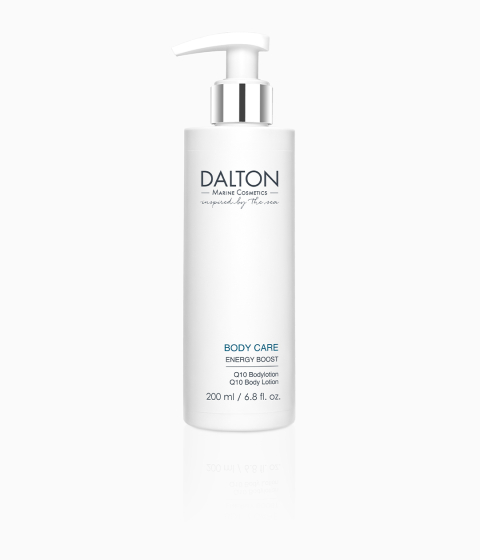
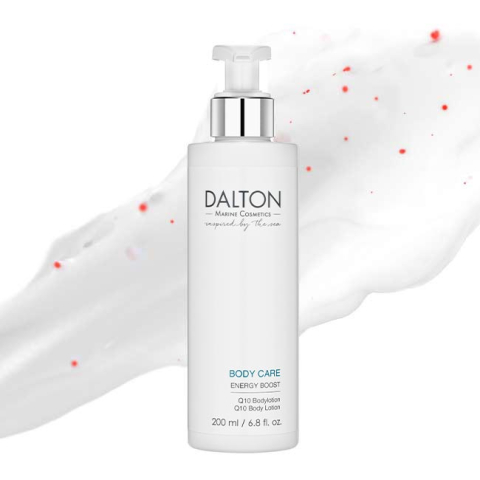
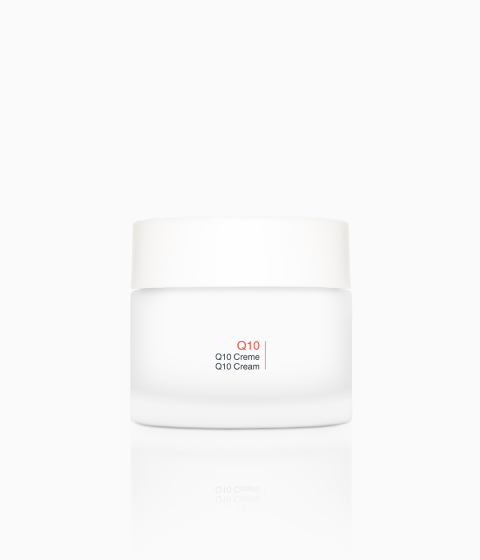
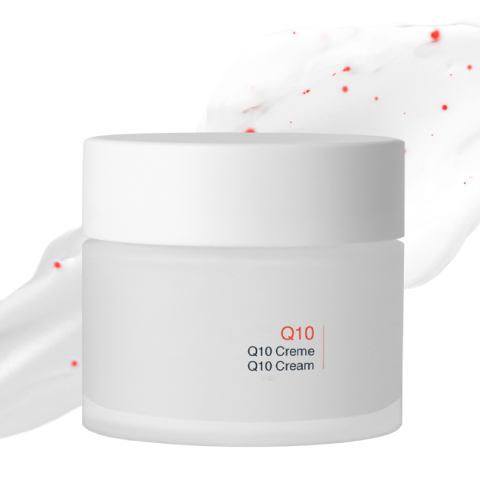
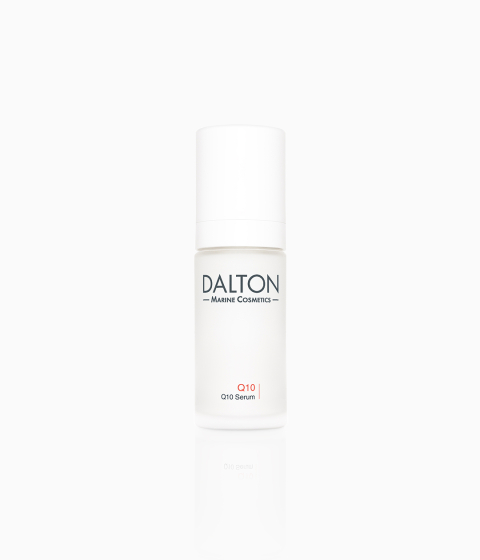
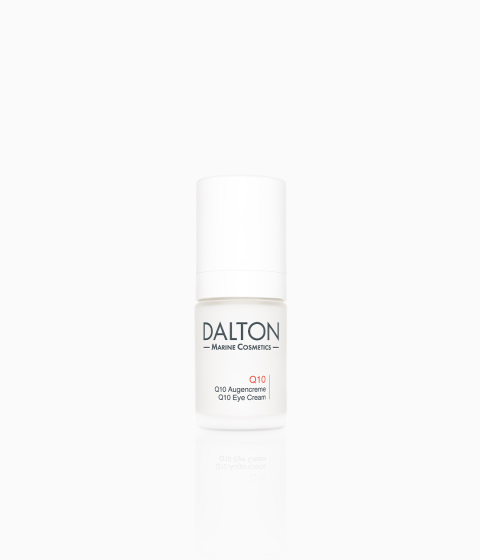
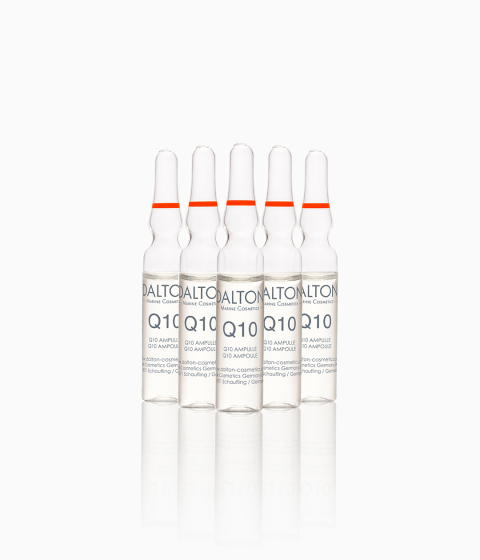
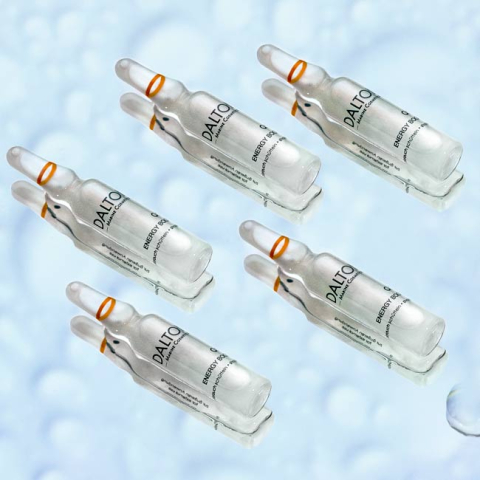
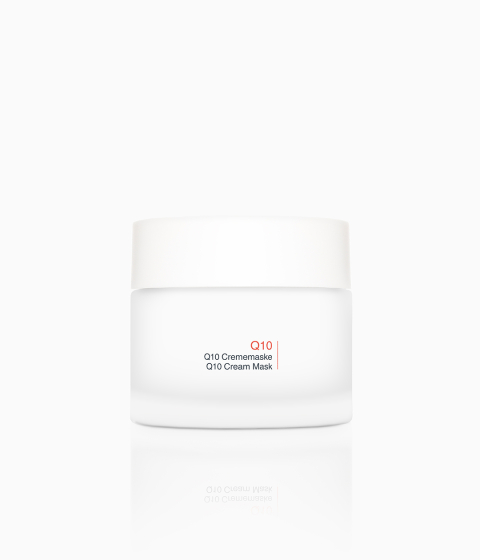
Q10 is a popular active ingredient in cosmetic products such as moisturizers, serums and eye creams. When applied to the skin, it can help the complexion look fresher and revitalized. The skin often appears smoother, more elastic, and more radiant. Q10-based skincare is particularly beneficial for tired, dull, or stressed skin, helping it feel deeply nourished and well cared for.

Q10 as a dietary supplement
Q10 can be supplied not only through skincare products but also from within as a dietary supplement. Many people choose capsules, tablets, or liquid formulas to support their daily intake - especially when they are looking to boost energy levels for both skin health and overall well-being. As a supplement, Q10 is easy to incorporate into everyday life and perfectly complements topical skincare.

Q10 in foods
Small amounts of coenzyme Q10 can also be obtained through everyday foods. Q10 occurs naturally in a range of ingredients, with the highest levels found in animal-based foods such as meat and fish - since animals, like humans, produce Q10 within their cells. Plant-based oils and nuts contain smaller amounts as well. While these quantities are relatively low, they can still contribute to overall daily intake. A balanced diet also helps support the body’s own ability to produce and make use of Q10.
Who can benefit from coenzyme Q10?
Coenzyme Q10 can be a valuable addition for anyone looking to support their energy levels or skin health more consciously. This becomes especially relevant during the natural aging process, as the body’s own Q10 levels gradually decline, but also during times of increased stress, intense physical activity, or particularly demanding life phases. In such situations, many people choose to integrate Q10 as a supportive element in their skincare or overall wellness routine.
Sources:
¹ Bhagavan & Chopra (2007). Plasma Coenzyme Q10.
² Shults et al. (2002). Effects of Coenzyme Q10 in Early Parkinson Disease.
Author:
Irina
Beauty Editor
Irina writes about everything that supports healthy, beautiful skin - from skincare routines to powerful marine ingredients. Her mission: to make skincare simple, clear, and easy to understand.
SIMILAR POSTS
You Might Also Like